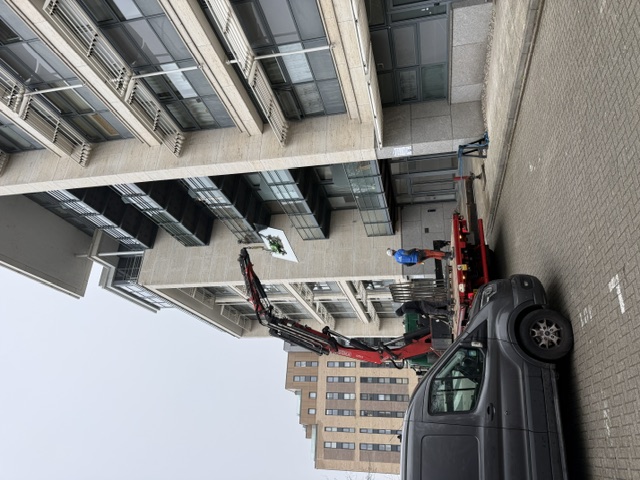
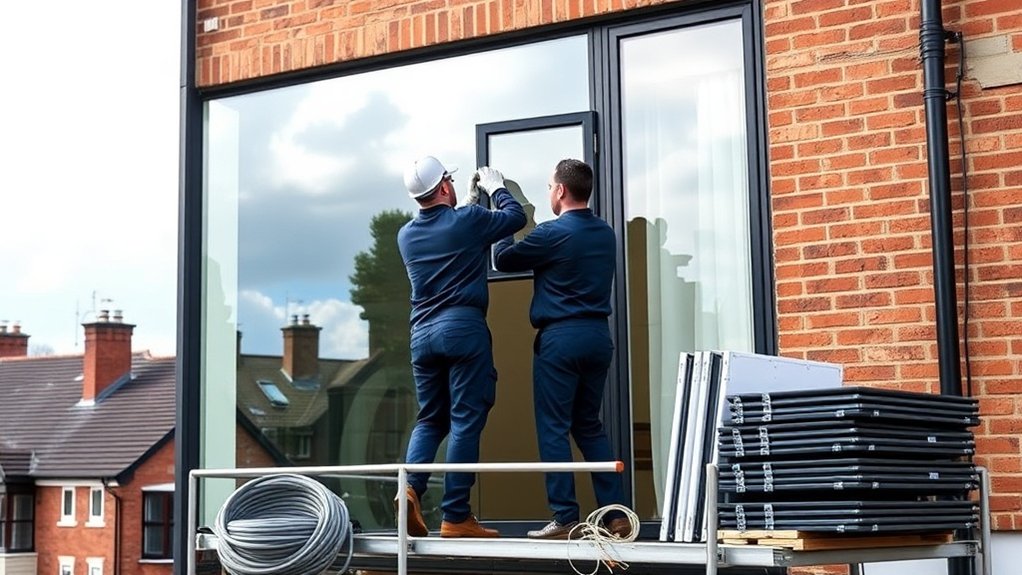
Glazing and window specialists in Valeswood do more than swap panes. We survey, specify and fit high-performance sealed units that can roughly halve the heat lost through old single glazing, take the edge off traffic noise, and satisfy Part L, Part F and FENSA. That means picking the right low-E, laminated or acoustic glass, checking frames for cold bridges, and designing windows that suit a Victorian terrace, a 1930s semi or a new-build flat. Below we explain how to choose glass, compare quotes and get a compliant installation that lasts.
Key insights
- A specialist Valeswood glazier gets better energy, noise and security results than a general builder because the glass, frame and fitting are specified together.
- Low-E, laminated, acoustic and solar-control glass each solve a different problem, and the right mix depends on orientation, road noise and the age of the house.
- Period and listed homes in Valeswood can be upgraded with slimline double glazing or secondary glazing without losing original sashes.
- Accredited installers self-certify under FENSA, meet the Part L U-value limit, fit safety glass where Part K requires it and use multi-point locks.
- A proper quote itemises uPVC against aluminium, double against triple glazing, and the extra cost of large sliders and bi-folds.
Why Valeswood Homeowners Use Glazing Specialists
Housing in Valeswood runs from Victorian terraces and interwar semis to new apartment blocks, and each throws up its own glazing problems. A general builder fits a window; a glazing specialist first asks how noisy the road is, which way the elevation faces, what U-value the Building Regulations demand and what lock rating the insurer wants.
We measure frame tolerances, find cold bridges and look at how the room is ventilated before designing how the new unit meets the existing wall. We also know the local planning picture, from conservation areas to Article 4 streets, and we work to Part L and Part F so the job is signed off first time.
There is a design side too. Patterned and obscure glass, laminated panels with coloured interlayers and polished or bevelled edges can all be specified without weakening the unit, which gives you more choice than a standard catalogue.
Types Of Glazing For Valeswood Homes
Most Valeswood homes can be sorted out with a handful of glass types, mixed to suit the problem in hand: heat loss, noise, break-ins, overheating or appearance. Low-E coated glass is the default for cutting U-values. Laminated glass adds resistance to forced entry and softens noise. Solar-control glass keeps an east- or south-facing room from becoming a greenhouse in summer.
Where privacy matters, obscure, etched or patterned units let light in but block the view, and they can carry a decorative finish. In conservation areas, secondary glazing fitted inside the original window improves warmth and quiet while leaving the historic sashes untouched. Self-cleaning coatings save ladder work on upper floors, and warm-edge spacer bars improve the edge of the unit, which is where condensation usually starts.
Choosing Between Double And Triple Glazing
The decision between double and triple glazing in Valeswood is mostly a trade-off between better U-values and lower solar gain on one side and a higher price on the other. Triple glazing is warmer and quieter, but you need to ask how long it will take to earn back the extra cost in your particular house, on your particular elevations. Comparing Window Energy Ratings, acoustic figures and whole-life cost gives you an answer that is about your home rather than a brochure.
Energy Efficiency Comparison
Start with the numbers. Good double glazing now achieves a whole-window U-value of around 1.2 W/m²K, while triple glazing can get below 0.8 W/m²K, so an exposed north-facing room loses noticeably less heat through the glass. Look at the g-value as well, because glass that captures useful winter sun on one elevation may overheat a room on another.
In the mild Valeswood climate, a high-spec double glazed unit usually gives the best return for the money, with triple glazing earning its keep on north elevations and in very well insulated or low-energy houses. Frame design, argon or krypton fill, warm-edge spacers and an airtight fit all move the result as much as the glass itself. Frame colours and decorative finishes do not affect the thermal figures, so choose them freely.
Noise Reduction Benefits
Warmth is not the only reason people in Valeswood replace windows. If you live near a main road, a railway line or under a flight path, how the window handles sound can matter just as much. Double and triple glazing block noise in different ways, and the differences show up at different frequencies.
A well-made double glazed unit with panes of two different thicknesses and a wide cavity already deals well with the mid-range hum of cars. The deep rumble of buses, lorries and aircraft is harder to stop, and this is where triple glazing helps: the third pane and second cavity add mass and damping that a two-pane unit cannot match.
To get the full benefit, combine the unit with acoustic laminated glass, airtight uPVC or aluminium frames and gaskets that are properly compressed, so sound cannot sneak round the edges.
Cost And Value
Whether triple glazing pays in Valeswood depends on two things: the extra cost per square metre and what you get back in lower bills, comfort and durability. Expect triple glazing to cost roughly a fifth to two fifths more than double, which is easiest to justify on exposed elevations or in a house with poor insulation elsewhere.
Weigh up:
-
Thermal performance vs. price Put the U-values and g-values side by side. Triple glazing earns its place on north walls; a high-spec double unit is usually the better buy elsewhere.
-
Historical preservation and aesthetics On a period house, slimline double glazing often satisfies the conservation officer, keeps the sightlines and costs less, while still improving performance a great deal.
-
Long-term value engineering Frame material, gas fill, coatings and colour finishes all change the maintenance cycle and lifetime cost, and a better EPC can add to the sale price later.
How Glazing Cuts Energy Use And Bills
Heat leaves a room through glass in three ways: conduction through the pane, convection in the cavity and radiation from the warm inner surface. High-performance glazing slows all three, so room temperatures hold steadier and the boiler fires for fewer hours. The saving shows up on the gas bill first, then in the carbon figure on your EPC.
Improved Thermal Insulation
Modern glazing works as an engineered thermal barrier at every opening. Each part of a double or triple glazed unit slows a particular kind of heat loss, which is why a new window feels warmer to stand beside on a January evening.
- Low-E coatings are a microscopically thin metal layer that bounces long-wave heat back into the room while letting daylight through almost unchanged.
- Argon or krypton gas fills are denser than air, so they cut convection inside the cavity and lower the U-value without making the unit any thicker.
- Warm-edge spacer technology replaces the aluminium bar around the unit with a low-conductivity one, so the glass edge stays warmer, condensation is less likely and the seal lasts longer.
Reduced Heating And Cooling
The link between glazing and your bills is direct because the glass is where the house controls heat exchange with the outside. A modern double or triple unit uses low-E coatings, warm-edge spacers and a gas-filled cavity to slow heat loss in winter and limit heat gain in summer. The boiler runs less in January and the room stays bearable in July without a fan or air conditioning.
Steadier room temperatures also mean fewer sharp peaks in heating demand. Selective coatings let you harvest free solar warmth without overheating. Frames with thermal breaks finish the job, so the whole window performs as well as the glass, with the slim sightlines that suit modern Valeswood homes.
Lower Carbon Footprint
Bills get most of the attention, but the same upgrade trims the carbon your home produces every year it stands. With advanced double or triple glazing in place, less heat escapes through the glass, so the boiler burns less gas over the heating season and any cooling equipment runs for fewer hours in summer.
The saving is biggest when you:
- Specify low-E coatings and argon-filled cavities to bring down the U-value and keep solar gain under control.
- Pair thermally broken frames with an airtight installation so draughts do not undo the work the glass is doing.
- Choose a glass tint or coating that balances solar control against daylight, so rooms stay bright without the lights on.
The result is a better-looking window, a measurable cut in CO₂ and a Valeswood property that is ready for the tighter energy rules still to come.
Glazing For Valeswood’s Period And Listed Homes
Upgrading a period or listed home in Valeswood means improving warmth and quiet without losing the character that gives the house its value, and often without breaching conservation rules. You cannot simply pull out the original sashes or casements and fit a standard modern frame.
The usual answer is slimline double glazing or a vacuum glazed unit, both thin enough to sit in an original sash while delivering a low U-value and better sound insulation. Sound timber is kept and refurbished, with discreet draught-proofing. For a listed building, secondary glazing on the room side is reversible and usually acceptable to the conservation officer.
Leaded and stained lights can be kept too, either encapsulated inside a sealed unit or protected behind a clear outer pane, so the detail survives and the window finally keeps the heat in.
Modern Window Styles For Valeswood Properties
Away from conservation areas, most Valeswood houses can take a bolder approach. Slim aluminium or composite frames carrying high-spec sealed units increase the proportion of glass to frame, improve the U-value and remove the chunky look of older uPVC.
Modern systems can still nod to the original house through profile detailing, colour-matched hardware and finishes that imitate timber or steel without the upkeep those materials demand.
Popular options include:
- Flush casements, where the sash sits level with the frame, for clean lines that keep traditional proportions.
- Lift-and-slide panoramics that open a kitchen-diner or loft conversion onto a garden or roof terrace.
- Fixed “picture” frames that frame a skyline or courtyard, with selective coatings and shading to manage solar gain.
More Secure Glazing And Window Options
Making windows in Valeswood more secure means upgrading the glass and the hardware together. Toughened and laminated glass each resist impact, forced entry and accidental breakage to a tested standard, and they suit different locations. The gains are wasted, though, if the glass sits in a weak frame with a basic latch, so multi-point locking and reinforced frames need to be part of the same specification.
Toughened And Laminated Glass
Standard double glazing offers modest protection, but toughened and laminated glass take window security a long way further. Toughened glass is heated and rapidly cooled to put its surface under compression, which makes it around five times stronger than ordinary float glass. If it does break, it crumbles into small blunt granules rather than dangerous shards.
Laminated glass bonds two or more panes with a PVB or EVA interlayer. It resists attack, dampens noise and filters UV, and because a cracked pane stays in one piece it keeps an intruder out long after the glass has broken.
To get the most from either:
- Match the glass thickness and interlayer gauge to the risk at that opening.
- Use a toughened outer pane with a laminated inner pane for the best of both.
- Concentrate the upgrade on ground-floor windows, patio doors and anything reachable from a flat roof.
Advanced Locking And Frames
Once the glass is right, the next weak point is how the sash is held shut. Swapping a basic espagnolette for multi-point, shoot-bolt or hook-bolt locking means the sash is held on several sides at once, so a crowbar has nothing to lever against and the load is spread along the frame.
The frame has to be up to the job as well. Thermally broken aluminium or steel-reinforced uPVC, a closed frame section, long fixings into the masonry and heavy-gauge reinforcement all make spreading and jemmying far harder.
Ask for hardware tested to PAS 24 or approved under Secured by Design, with anti-lift hinges, hinge-side bolts and lockable restrictors upstairs. Add contacts for the alarm or a smart lock and the window becomes part of the house's security system rather than a gap in it.
Quieter Homes: Noise-Reducing Glazing For Busy Streets
Living on one of Valeswood’s busier roads does not have to mean putting up with the noise. Acoustic glazing can bring traffic sound down to a level where you can work, watch television and sleep without noticing it. The trick is not simply thicker glass but a tuned system aimed at the frequencies that cars, buses and motorbikes produce.
- Fit laminated acoustic glass with panes of different thicknesses and a soft viscoelastic interlayer, which breaks up sound waves and cuts decibels well beyond a standard unit.
- Put the unit in a frame that does not carry sound, such as composite, thermally broken aluminium or insulated uPVC, so noise cannot bypass the glass.
- Specify a deep, sealed cavity, compression gaskets at every locking point and tested acoustic trickle vents, so you can ventilate without letting the noise back in.
The outcome is a calmer home that works even on a dense urban street.
Fixing Or Replacing Failed Double-Glazed Units
A sealed unit only insulates and blocks sound while its seal is intact. Once it fails you get misting between the panes, condensation around the edges or a cold draught off the glass, and the performance goes with it. We diagnose before we quote: checking the spacer bar, perimeter seal, drainage slots and frame fit, then measuring the glass thickness, cavity depth and gas fill the replacement needs.
When the frame is sound, only the failed unit is replaced. That is the moment to upgrade, by specifying low-iron or acoustic laminated glass, warm-edge spacers and argon or krypton fill in the new unit while keeping the frame you already have. It is also a cheap opportunity to add decorative or etched glass if you want the window to look different as well as perform better.
Valeswood Homes: Replace Old Windows Or Repair Frames?
Original timber or first-generation uPVC windows in Valeswood reach a point where they stick, leak or let the whole street in. The choice is then between repairing and refurbishing the frames or replacing the lot, and it starts with a condition survey: rot in the timber, twisted sashes, failed seals, tired hinges and locks. If the frame is sound, refurbishment can add new gaskets, friction hinges and better locks to tighten it up at a fraction of the cost of replacement.
- Measure the gaps: thermal imaging, a draught test and a quick acoustic check show where the window is actually failing.
- Compare the options: keep the frames but fit new sealed units with low-E coatings or a light tint for glare, against a full replacement.
- Consider the look: slimmer sightlines, re-profiled sashes and colour-stable finishes so any new window suits the façade as well as performing better.
Typical Glazing And Window Costs In Valeswood
Budgets for new windows in Valeswood vary with material, size and finish. A standard uPVC casement supplied and fitted typically falls somewhere in the £450 to £750 range, while an aluminium equivalent tends to sit between about £750 and £1,100 because the material and fabrication cost more. Triple glazing usually adds around a fifth to a third on top of double, depending on spacer and gas fill.
Large sliding or bi-fold doors run from roughly £1,500 to £4,000 per opening, driven by the number of panels, the hardware and the threshold detail. Finish affects price as well: dual-colour frames, woodgrain foils and dark colours often add a tenth to a fifth. Slim sightlines, flush frames and integral blinds all carry a premium for bespoke profiling and the more careful installation they need.
Glazing Quotes, Guarantees, And Certifications Explained
Price is the first thing most people read on a quote, but the technical content, the guarantee and the certifications deserve the same attention. A good Valeswood glazing quote lists the frame system, the U-value, any acoustic rating and extras such as electrochromic tinting that dims the glass to control solar gain, so you can see exactly what you are paying for.
-
Clarify performance scope Check that the glass type, gas fill, spacer and coating are written down and that the thermal and solar figures match what you asked for.
-
Decode guarantees Look for written cover on sealed-unit failure, hardware, finishes and workmanship, with a stated response time and confirmation that it transfers to a new owner.
-
Verify certifications Ask for recognised UK product and installer certification covering security, energy performance and safety glazing, plus test evidence for anything unusual.
Choosing A Reliable Valeswood Glazing Company
Choosing a glazing company in Valeswood comes down to three checks. First, confirm the firm's certifications, trade memberships and public liability insurance, so the work is legal and you are covered if something goes wrong. Second, lay itemised quotes side by side and compare glass, frames, fitting method and any charges for access or disposal. Third, read the warranty for length, scope and transferability, so you know what is covered, what is excluded and how a claim is handled years from now.
Checking Certifications And Insurance
A reputable Valeswood glazing company will show its certificates and insurance before you ask, because they are the evidence that it can handle structural openings, modern glass and your building safely. Checking takes ten minutes and saves trouble later.
Do not take assurances at face value; ask for the paperwork and read it. Look for:
- Professional certifications – membership of a recognised glazing body, evidence of working to BS EN standards, and training on low-E units and laminated safety glass.
- Insurance documentation – public liability and, where the firm has staff, employer's liability, with limits that match the size of your project.
- Regulatory compliance – registration with FENSA or an equivalent competent person scheme, so the installation meets Building Regulations and the certificate arrives without a separate Building Control visit.
Comparing Quotes And Warranties
Once credentials are confirmed, compare Valeswood glazing quotes line by line rather than by the total at the bottom. Write down the glass type, U-value, acoustic rating, spacer and coating you want and ask every firm to quote those exact items, so the comparison is like for like.
Check how long hardware, seals, finishes and workmanship are guaranteed, and whether labour and scaffolding are included if a repair is needed. On a period property, make sure the slimline units, putty-line profiles and sightlines are named in the guarantee, not just the glass.
Push back on words like “lifetime” or “standard guarantee”. Ask for a number of years, a response time and a definition of what counts as a failure, so the small print cannot surprise you.
Planning Rules And Building Regulations For New Windows
Two sets of rules govern new or replacement windows in Valeswood. Local planning deals with appearance, heritage and the effect on the street; Building Regulations deal with thermal performance, safety glazing, ventilation and escape. Both need checking before you place an order.
Before you commit:
- Find out whether the house is listed or in a conservation area, because that can limit frame profiles, decorative glass and visible tints.
- Check the U-value, trickle vents, safety glazing in critical locations and escape window sizes against Parts L, F, K and B.
- Use an installer who self-certifies through FENSA or Certass, or arrange Building Control sign-off, so the certificate exists when you remortgage or sell.
Maintenance Tips For Long-Lasting Glazing In Valeswood
Modern windows need little attention, but in Valeswood’s wet, traffic-grimed air they last longest with a light routine. Look over frames, seals and drainage slots every few months and clear leaves and grit so water cannot sit against the perimeter seal. Clean decorative glass and leadwork with a pH-neutral cleaner, as harsh products can mark coatings and lead.
Misting or rainbow patterns inside the unit are early signs the seal is going. A silicone spray on hinges, friction stays and locking points keeps them moving freely. Small gaps in the external seal should be made good with low-modulus silicone rather than general-purpose mastic. Keep a note of what you did and when; it helps a Valeswood glazing specialist diagnose problems and plan upgrades later.
Related work we take on includes commercial glazing, emergency glazing and glass balustrades.
Frequently Asked Questions
How Long Does a Typical Glazing Installation in Valeswood Take From Survey to Completion?
Allow two to four weeks from survey to finished windows. The survey takes an hour or two, during which we measure every opening and confirm the security and energy specification, including coatings, gas fill and thermal breaks. Fabrication then takes one to two weeks. Fitting is usually one or two days for an average house, depending on the number of windows and the access. Confirming the specification, any planning approval and parking or scaffold arrangements early keeps the programme short.
Can Glazing Work in Valeswood Be Carried Out During Winter or Bad Weather?
Yes, with care. We fit windows all year round in Valeswood, working around heavy rain and high winds, sheeting openings and keeping the reveals dry. Modern sealants and foams cure at low temperatures as long as moisture and dust are kept off the surfaces. We check frame temperatures, leave the right edge clearances and, where needed, use temporary heating or a dehumidifier so the seals form properly. One opening is done at a time, so the house is never open to the weather for long.
Do Valeswood Glazing Specialists Help With Window Design and Colour Choices?
They do. A good specialist advises on frame styles, glass specification and hardware so the window looks right and performs well. We look at the age and style of the house first, then suggest colours using RAL references, foil finishes or sprayed coatings to match or contrast with the brickwork and doors. Light transmission, U-value and sightlines are checked for each option, so the finish you like also meets your insulation and solar-control targets. Samples can be left with you to see in daylight.
What Preparation Should I Do at Home Before Installers Arrive for New Windows?
Clear a path to every window and move furniture a metre or two back from each one. Cover floors with dust sheets, take down curtains, blinds, alarm sensors and any window dressings, and wipe the frames and surrounding walls so the fitters can see the condition of the reveal. Keep pets and children away from the rooms being worked on. It is a good time to ask about the sealant used, trickle vent settings and how to clean coated glass, so you know how to look after the new windows.
Are Finance Plans or Staged Payments Available From Valeswood Glazing Companies?
Most established firms offer some form of finance or staged payment. Typical options are fixed-rate credit, interest-free terms over one to three years, or a longer plan with smaller monthly instalments. Alternatively, payments can be staged against milestones: a deposit at survey, a payment on manufacture and the balance on completion. Before signing, check the APR, any early-repayment penalties and admin fees, and make sure the schedule suits your cash flow.
Summary
New glazing is one of the few upgrades that improves warmth, quiet, security and appearance at the same time. Getting the U-values, gaskets and drainage right, and using a certified installer with documented performance, turns a draughty house into one that costs less to run in every Valeswood season. Call us for a free survey and a like-for-like quote on glazing and windows in Valeswood. For anything else glass-related, Downham Glazing is the one number to keep: free quotes, 24/7 emergency cover and FENSA-certified installations.